


blog spot
The
Health hub
A collection of helpful articles & information to spread awareness through education from our staff to you

Tick Season in Loudoun County: What Families Should Know About Lyme Disease
As the weather warms up in Northern Virginia, families are spending more time outdoors — at parks, trails, sports fields, and even in their own backyards. But with that increase in outdoor activity comes a higher risk of tick bites and Lyme disease.
According to a recent Loudoun County health update, tick season is highest from May through October, and our area continues to report some of the highest Lyme disease rates in Northern Virginia.
Understanding how to prevent tick bites — and recognizing early symptoms — can help protect your family during the months ahead.
What Is Lyme Disease?
Lyme disease is a bacterial infection spread through the bite of an infected blacklegged tick (also known as a deer tick).
These ticks are commonly found in wooded areas, tall grass, and brush, making everyday outdoor activities a potential source of exposure.
Lyme disease is the most common tick-borne illness in Loudoun County, but other tick-related illnesses can also occur, which is why awareness is important.
Signs and Symptoms of Lyme Disease
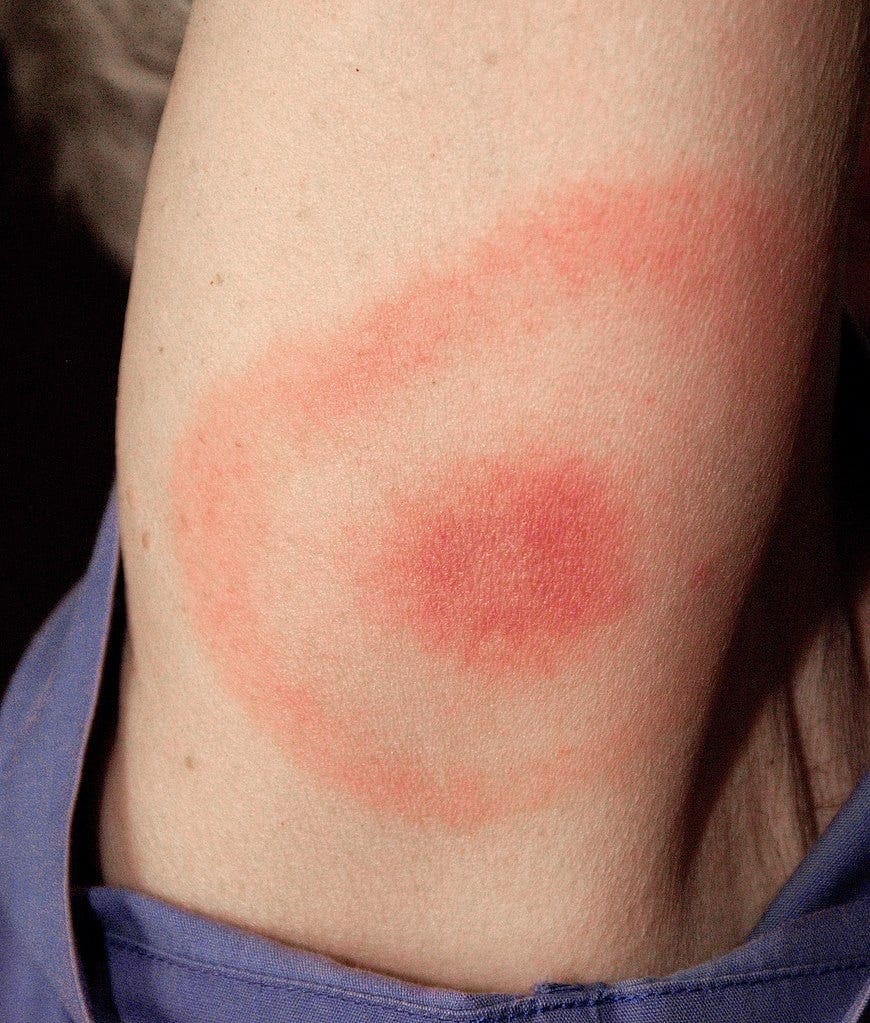
One of the challenges with Lyme disease is that symptoms don’t always appear right away — and many people don’t remember being bitten by a tick.
Early symptoms may include:
- Fever or chills
- Fatigue
- Headaches
- Muscle or joint pain
- A “bull’s-eye” rash (erythema migrans)
These symptoms can feel similar to a viral illness, which is why they’re sometimes overlooked.
If untreated, Lyme disease can affect the joints, heart, and nervous system, making early recognition and treatment especially important.
When Does Lyme Disease Spread?
Ticks can be active year-round, but risk is highest during warmer months.
In general, Lyme disease transmission usually requires a tick to be attached for at least 24 hours, although other tick-borne illnesses may spread more quickly.
Because tick bites are often painless and easy to miss, regular checks after outdoor activity are essential.
How to Prevent Tick Bites
Simple prevention steps can significantly reduce your risk of Lyme disease:
- Use insect repellent with 20% DEET or EPA-approved ingredients
- Wear long sleeves and long pants when outdoors
- Avoid tall grass and stay in the center of trails
- Choose light-colored clothing to spot ticks more easily
- Check your child’s skin, scalp, and clothing after outdoor activities
- Shower within two hours of coming indoors
- Place clothes in the dryer on high heat after outdoor exposure
- Remove ticks promptly with fine-tipped tweezers

These small habits can help protect both children and adults during peak tick season.
When Should You Get Checked?
You should consider medical evaluation if your child or family member has:
- A rash after outdoor exposure
- Flu-like symptoms during tick season
- Unexplained fatigue or joint pain
- A known or suspected tick bite
Even if symptoms seem mild, early evaluation can help guide next steps and prevent complications.
Lyme Disease Care in Loudoun County and Northern Virginia
At Night Watch Urgent Care, we evaluate tick bites, rashes, and symptoms of Lyme disease with same-day care across Northern Virginia.
Our providers understand that early symptoms can be subtle, and we’re here to help you determine whether further evaluation or treatment is needed.
We’re open evenings and weekends, so you don’t have to wait to get your child checked.
CATEGORY
4/06/2026



COMMENT LOVE