


blog spot
The
Health hub
A collection of helpful articles & information to spread awareness through education from our staff to you

One of the Most Common Conditions We’ve Seen This Week: Asthma Flare-Ups from Weather Changes
This week, one of the most common conditions we’ve been seeing across our clinics is asthma exacerbations — often triggered by recent weather changes.
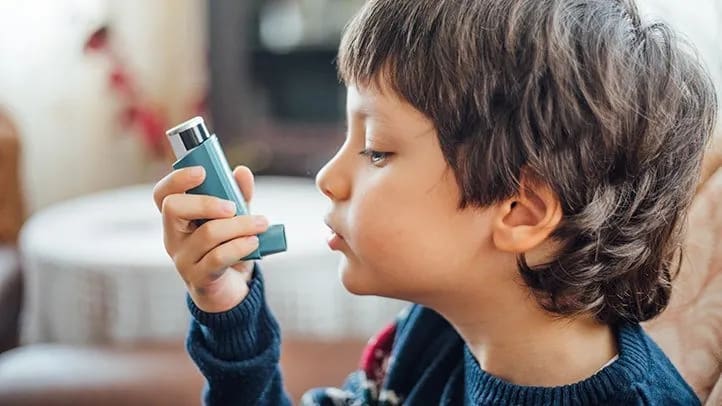
Across Aldie (Stone Ridge), Manassas, and Winchester, more families are coming in with children experiencing coughing, wheezing, and breathing difficulties. In many cases, symptoms started mild but progressed quickly over a few days.
Seasonal transitions in Northern Virginia can make asthma harder to control — especially when temperature shifts, allergens, and viruses all overlap.
Why Weather Changes Trigger Asthma
Asthma affects the airways, making them more sensitive to environmental changes. When the weather shifts, the airways can become irritated and inflamed.
Cold air can cause the airways to tighten, while warmer conditions may increase exposure to allergens like pollen and mold. Rapid temperature changes — such as warm days followed by cool evenings — can also make it harder for children’s bodies to adjust.
At the same time, seasonal changes often bring more viral illnesses, which can further worsen asthma symptoms.
What Asthma Flare-Ups Can Look Like
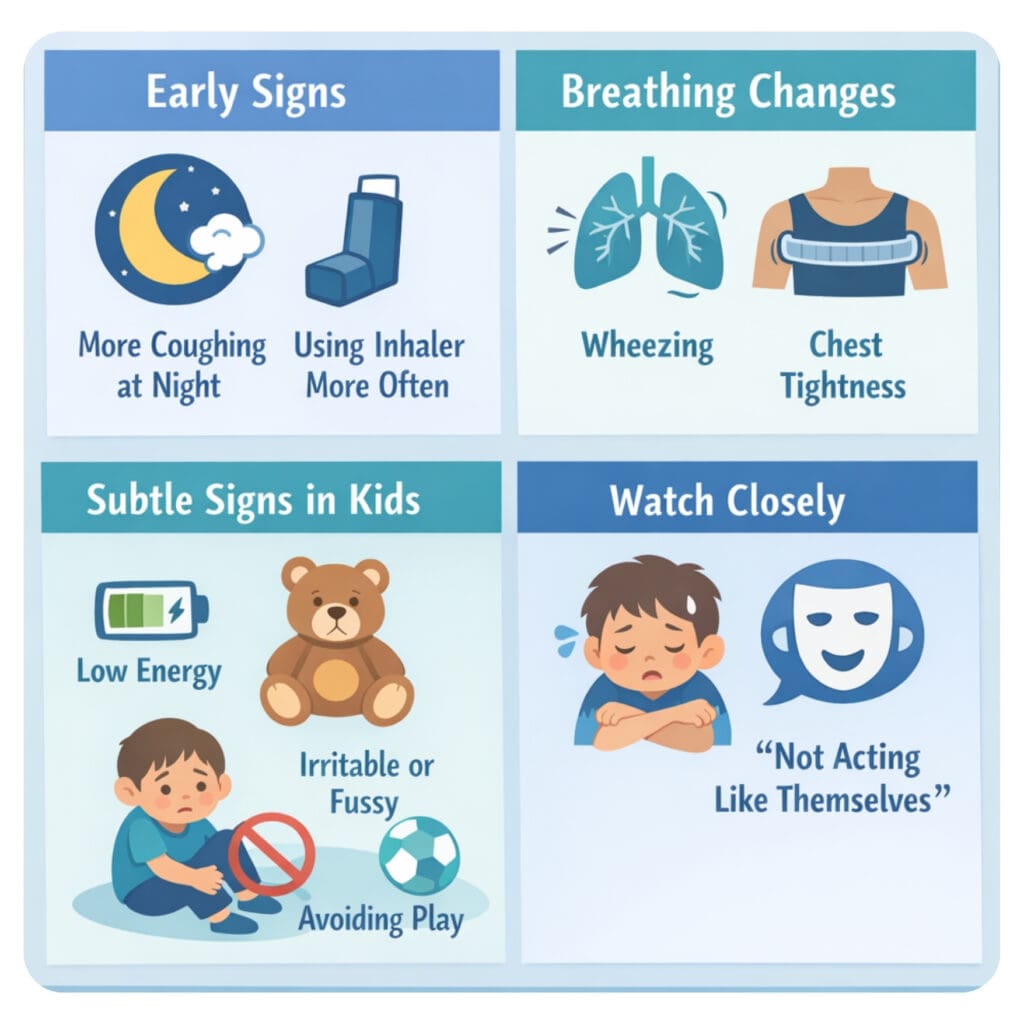
Asthma flare-ups don’t always start suddenly. Many begin with subtle symptoms that can be easy to overlook.
You may notice your child coughing more frequently, especially at night, or needing their inhaler more often than usual. Some children develop wheezing, which sounds like a whistling noise when breathing, while others may complain of chest tightness.
In younger children, symptoms may show up as low energy, irritability, or avoiding physical activity. Even small changes — like getting winded more easily or “not acting like themselves” — can be early signs that their breathing is affected.
When to Have Your Child Evaluated
If your child’s symptoms are not improving with home care or their usual medications, it may be time to have them evaluated.
At Night Watch Urgent Care, we regularly see children with asthma flare-ups who benefit from same-day care and early treatment. Addressing symptoms early can help prevent them from becoming more severe.
If your child is needing their inhaler more frequently, experiencing worsening cough, or having difficulty with normal activities, it’s best not to wait.
When Asthma Symptoms Become Urgent
Some symptoms require immediate medical attention.
If your child is breathing rapidly, using extra muscles to breathe (such as ribs pulling in or nostrils flaring), struggling to speak, or showing signs like bluish lips or unusual drowsiness, they should be taken to the emergency room right away.
These are signs of significant respiratory distress and should not be delayed.
Asthma Care at Night Watch Urgent Care
At Night Watch Urgent Care, we provide evaluation and treatment for asthma exacerbations and breathing concerns in children across Northern Virginia.
Our clinics offer:
- Same-day urgent care visits
- Breathing treatments, including nebulizer therapy
- On-site evaluation and monitoring
We’re open every day, including evenings and weekends, so families can access care when symptoms begin — not hours later.
Asthma flare-ups during weather changes are common — especially this time of year — but they can escalate quickly if not addressed early.
If your child’s symptoms are changing, worsening, or not improving, it’s always okay to have them checked.
CATEGORY
4/12/2026



COMMENT LOVE